Quick answer
How buyers can use reference images as design intent while moving toward safer modified lighting development.
- Treat references as direction
- Name the part that should change
- Change meaningful elements
- Keep function separate from mood
- Use existing product families first
- Review new tooling only when needed
Treat references as direction
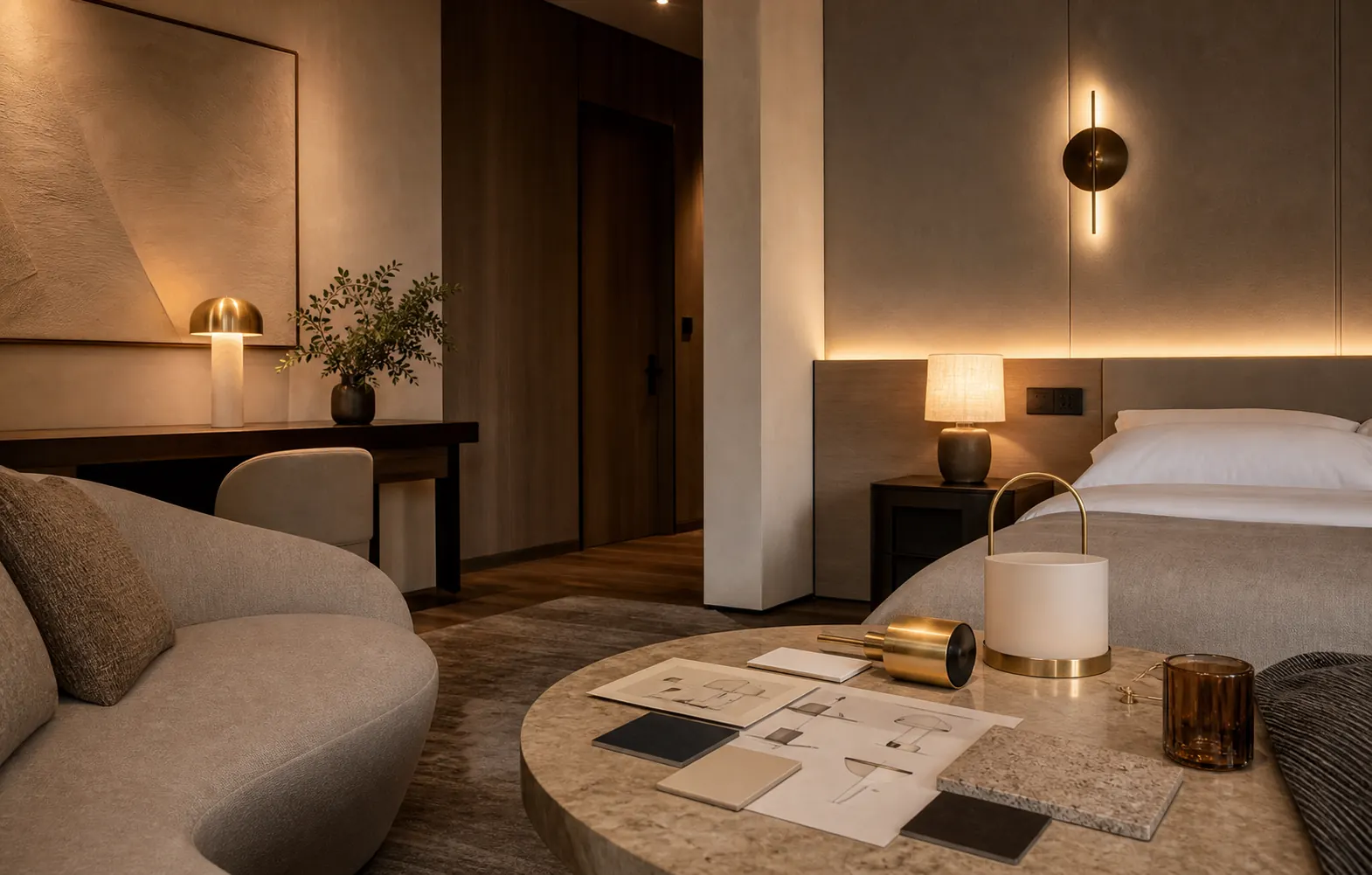
A reference image can show scale, mood, material, finish, proportion, or room use. It should not be used as a request for an exact copy. A safer brief explains what the buyer likes about the reference and what needs to change.
Name the part that should change
A useful modification request is specific. The buyer may need a different shade shape, shorter arm, warmer finish, smaller ceiling plate, stronger base, new switch position, or simpler packing. Naming the change makes the request easier to review.
Change meaningful elements
Silhouette, dimensions, material system, finish, shade shape, mounting method, or structure can move a product toward a safer modified design. Small cosmetic changes may not be enough when the original product is too close to a protected design intent.
Keep function separate from mood
A reference photo may show a room feeling, while the product still needs practical details. Separate the mood reference from size, wiring, shade direction, installation, packaging, and market requirements so the supplier is not forced to guess.
Use existing product families first
If a current product family is already close enough, modifying finish, shade, cable, size, or packaging may be more practical than new tooling. This can reduce sample time and make the first review easier.
Review new tooling only when needed
New molds or custom parts should be considered when the shape, structure, or repeated product line truly requires it. Tooling needs clearer drawings, quantity expectations, sample budget, and more careful review before price and timing are discussed.
Document buyer intent
Before a design intent is sent for review, the buyer should be clear about ownership, authorization, target market, required changes, and whether the request is for a modified product rather than an exact reproduction.
Use photos and notes together
Photos alone can be misunderstood. Add short notes beside each reference: keep this finish, reduce this height, change this shade, use this room mood, or avoid this visible detail. Clear notes help the product move away from guessing and toward a reviewable brief.
Next step
Choose one clear next step.
If you are still comparing styles, open the product page first. If you already know the product, finish, quantity, or room details you need, use the contact or quote path instead.