Quick answer
A practical guide to combining ceiling lights, pendants, wall lights, table lamps, and floor lamps for a balanced room.
- Start with the main light
- Add task lighting where people use the room
- Use accent lighting for mood
- Avoid one bright light only
- Keep finishes connected
- Use shade material to control mood
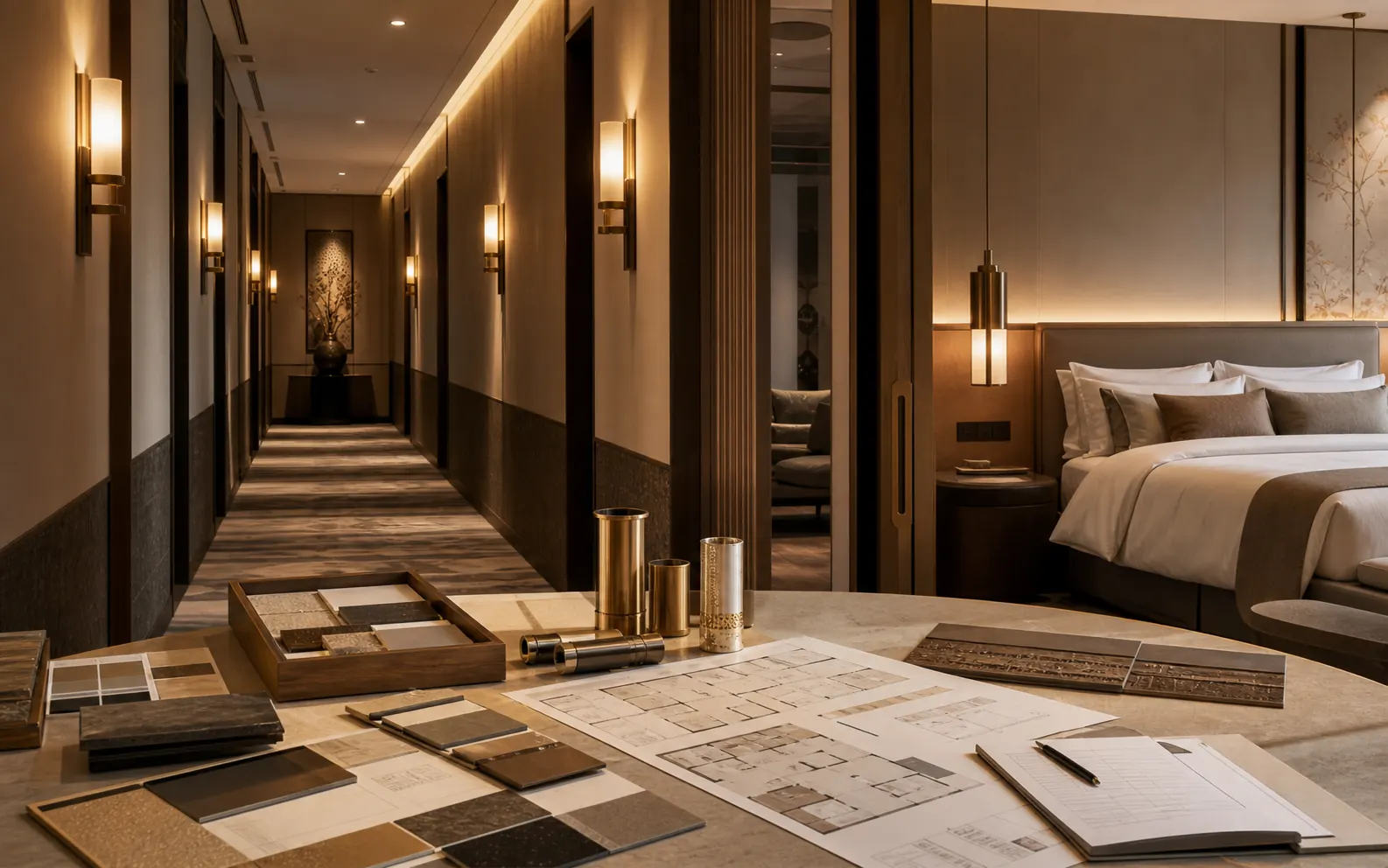
Start with the main light
Most rooms need one main light source, such as a ceiling light, chandelier, or pendant. This gives the room its basic brightness and visual center. The main light should fit the room size and ceiling height before accent lights are added.
Add task lighting where people use the room
Reading chairs, bedside tables, desks, mirrors, and kitchen islands need more focused light. Table lamps, wall lights, pendants, and floor lamps can make these areas easier to use without making the whole room too bright.
Use accent lighting for mood
Accent lighting adds softness, depth, and visual interest. A wall sconce, small table lamp, corner floor lamp, or decorative pendant can make a room feel warmer even when it is not the strongest light source.
Avoid one bright light only
A room can feel flat or uncomfortable if it relies on one strong overhead light. Mixing softer lamps with the main light usually creates a more comfortable room, especially in bedrooms, living rooms, and dining spaces.
Keep finishes connected
The lights in one room do not need to match exactly, but they should feel connected. Brass, black, chrome, wood-tone, fabric, glass, and ceramic details should repeat or relate to furniture, hardware, and other room materials.
Use shade material to control mood
Fabric shades soften the light. Clear glass shows the bulb and can feel brighter. Opal or ribbed glass can soften glare. Metal shades can direct light more strongly. Choose shade material based on comfort, not only appearance.
Check bulb colour across the room
A room can feel inconsistent if one lamp uses warm light and another uses cooler light. Try to keep the bulb colour direction consistent, especially in open living and dining spaces where several lights are seen together.
Build the room gradually
Choose the main light first, then add lamps or wall lights where the room needs comfort or function. This prevents the room from becoming crowded with products that look good alone but do not work together.
Next step
Choose one clear next step.
If you are still comparing styles, open the product page first. If you already know the product, finish, quantity, or room details you need, use the contact or quote path instead.